January 10, 2024
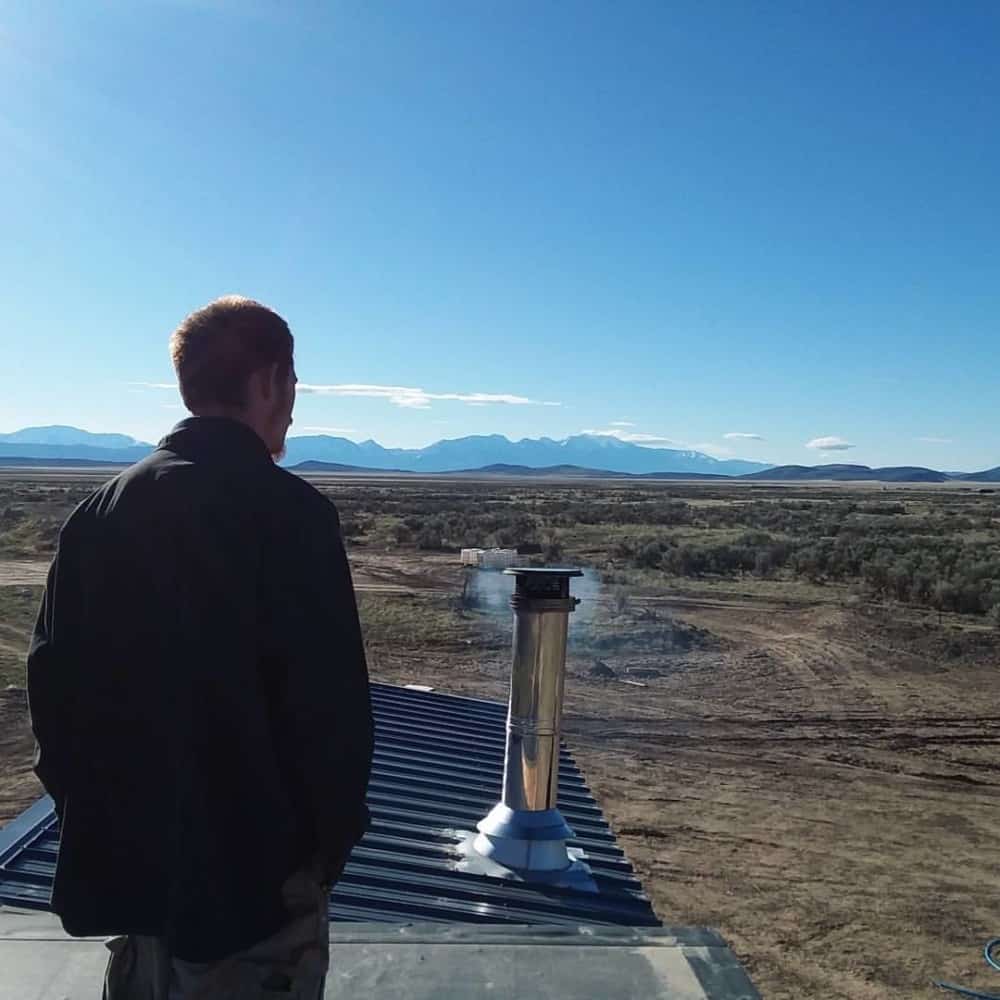
This is the most asked question my husband and I get; we have been living tiny for 7 years now and have lived all throughout the United States. Let's delve into this topic.
Are tiny houses legally allowed in all areas? No, however there are many factors that influence tiny home legality. For example, if there is an existing structure, if the tiny house is mobile, and much more. Let's look at the factors in this answer and ways around it.
The Rising Popularity of Tiny Houses
In recent years, the tiny house movement has captured the imagination of people seeking a simpler, more sustainable, and financially mindful way of life. The allure of cozy and compact living spaces, often with a smaller ecological footprint, has inspired a growing number of individuals to explore the possibility of living in a tiny house. However, amid this excitement, a central question looms large: Are tiny houses legally allowed in all areas?
This article seeks to delve into the intricate web of regulations that govern tiny house living and examine whether it is a universally permissible housing choice. As we explore this complex topic, it becomes apparent that the answer to the question is not a simple "yes" or "no." The legality of tiny houses varies significantly from one location to another, making it crucial for anyone interested in the tiny house lifestyle to understand the legal landscape.
Zoning regulations are at the forefront of the legal considerations when it comes to tiny house living. These regulations dictate how land within a specific area can be used, determining whether a particular type of dwelling, including tiny houses, is allowed. Zoning laws are primarily a matter of local jurisdiction, and they have a direct impact on whether you can legally place or build a tiny house on a piece of land.
The rules and regulations governing tiny houses can vary widely from one place to another, which is why it's essential to understand how zoning laws impact tiny house placement. In some areas, tiny houses may be considered "Accessory Dwelling Units" (ADUs), while in others, they may fall under the same regulations as traditional homes. This categorization significantly influences where and how you can legally live in a tiny house.
The challenge for many prospective tiny homeowners is that zoning regulations can be highly localized. What is allowed in one town, city, or county might not be permissible in a neighboring jurisdiction. Some areas have embraced the tiny house movement and created specific zoning categories to accommodate these diminutive dwellings. However, in other regions, the legal status of tiny houses remains uncertain, making it a legal gray area.
To better understand the implications of zoning laws, let's look at some different areas with varying zoning regulations.
Tiny House-Friendly Towns
In many towns located in the Pacific Northwest, local authorities have recognized the benefits of tiny houses and created zoning regulations that explicitly permit tiny homes as primary residences. These tiny house-friendly towns have adopted a progressive stance, allowing residents to live legally in tiny houses on their property. Such areas are excellent examples of how zoning laws can adapt to accommodate alternative housing choices.
Strict Zoning Municipality
In contrast, certain municipalities have restrictive zoning codes that pose significant challenges to tiny house enthusiasts. These areas typically have minimum square footage requirements for dwellings. For example, where we live in Lyon County, NV the minimum square footage for any structure on the property is 600 square feet. As a result, building or placing a tiny house in such locations can be a legal obstacle.
However, you are allowed to live in a mobile tiny house on the property if you have permits and are actively building a house.
These illustrate the considerable variations in zoning laws across different areas. As a prospective tiny homeowner, you must research and understand the specific zoning regulations in your chosen location to determine whether tiny house living is legally allowed.
Tiny houses come in various forms, but a fundamental distinction lies between tiny houses on wheels (THOWs) and foundation-based tiny homes. Understanding this difference is crucial because the legal considerations for these two types of tiny houses can be quite distinct.
THOWs, as the name suggests, are tiny houses mounted on wheels. They are often built on trailer platforms, making them mobile and allowing homeowners to tow their houses to different locations. Foundation-based tiny homes, on the other hand, are constructed on a fixed foundation, similar to traditional homes.
The legal acceptance of THOWs and foundation-based tiny houses can vary significantly based on the region. Some areas may be more accepting of THOWs, often categorizing them as recreational vehicles (RVs), while others may be more accommodating to foundation-based tiny houses. The treatment of these two types of tiny houses depends on local building and zoning regulations, as well as the overall attitude toward alternative housing options.
Some counties have no regulations for something on wheels, but they have regulations about living on your property without a permitted structure. Therefore, you may be allowed to have a tiny house on your property but not legally live in it.
In many communities, residents and local officials have embraced THOWs as an option for affordable and mobile living. The community has created a designated area for THOWs with necessary hookups for utilities. The legal framework recognizes these tiny houses as RVs, which has paved the way for a supportive community of mobile tiny homeowners. They typically require an RV certification for the tiny to ensure integrity.
The legal landscape for tiny houses can vary significantly between urban and rural areas. In densely populated urban regions, there are several legal challenges that potential tiny homeowners may encounter:
1. Zoning Limitations: Many urban areas have strict zoning regulations designed for larger, traditional houses. These regulations often include minimum square footage requirements, which can be a significant barrier to tiny house living.
2. Space Constraints: In urban environments, space is at a premium. Finding a suitable location for a tiny house, whether on wheels or a foundation, can be a considerable challenge due to the limited available space.
3. Resistance to Change: Urban areas may have entrenched systems and resistance to changes in housing norms. This can make it difficult to obtain the necessary permits for tiny house living.
In contrast, rural areas tend to be more accepting of tiny house living. The reasons for this acceptance include:
1. Lower Population Density: Rural regions typically have more available space, which makes it easier to find suitable locations for tiny houses. Many rural areas have more relaxed zoning regulations, allowing for greater housing diversity.
2. Economic Benefits: In some rural communities, embracing the tiny house movement can bring economic benefits, such as increased tourism and job opportunities in construction and maintenance.
3. Less Resistance to Change: Rural areas may have fewer entrenched systems and, as a result, be more open to alternative housing choices, making it easier for tiny homeowners to obtain the necessary approvals.
In addition to zoning regulations, building codes play a crucial role in determining the legality of tiny houses. Building codes are essential for ensuring the safety and structural integrity of any dwelling, and they often set minimum standards for construction. The specific requirements and codes that apply to tiny houses can vary depending on the location.
Meeting building codes can be a significant challenge for tiny homeowners. Tiny houses are often built with a focus on space efficiency, which can make it challenging to adhere to some traditional building codes designed for larger homes. Some common challenges include:
1. Minimum Square Footage: Many building codes stipulate minimum square footage requirements, which tiny houses may not meet.
2. Safety Standards: Building codes often have stringent safety standards that may require specific features like staircases and handrails, which can be challenging to incorporate into a tiny house.
3. Zoning vs. Building Codes: Zoning and building codes may sometimes conflict, making it difficult to navigate the legal landscape for tiny houses.
Let's explore examples of areas that have modified building codes to accommodate tiny houses:
In a forward-thinking city in the South, local authorities have recognized the need to adapt building codes for tiny houses. The city has established a specific section of building codes tailored to tiny houses, taking into account their unique design and space considerations. This adaptation has made it significantly easier for tiny homeowners to meet building code requirements.
In a rural county in the Northeast, traditional building codes remain in place. While the area is welcoming to tiny house living in terms of zoning, complying with these codes has proven to be a challenge. Many tiny homeowners have had to make modifications or work closely with local authorities to find alternative solutions while meeting the spirit of the codes.
These case studies highlight the importance of building codes in the legal framework for tiny houses and how some areas have successfully modified codes to accommodate these alternative dwellings.
For individuals passionate about tiny house living, navigating the complex legal landscape often involves creative thinking. In some cases, tiny homeowners have found legal loopholes or alternative solutions to achieve their dream of living in a tiny house.
Some areas have created legal avenues for tiny house living by permitting them as accessory dwelling units (ADUs) or under temporary housing ordinances. These provisions recognize the need for more flexible housing options, particularly in areas with housing shortages or those seeking to embrace sustainable living practices. ADUs, for example, allow homeowners to place a secondary, smaller dwelling on their property, often with specific restrictions on size and use. Temporary housing ordinances may permit tiny houses for a limited duration, such as for guests or temporary accommodations.
Let's explore some examples of how tiny homeowners have creatively navigated the legal challenges:
In a suburban area on the West Coast, local zoning regulations allow tiny houses to be used as ADUs on a property. Homeowners have creatively embraced this option by building tiny houses in their backyards, which they rent out to supplement their income or provide housing for family members.
In a city with limited affordable housing options on the East Coast, a community of tiny homeowners has worked with local officials to create temporary housing ordinances for tiny houses. This has allowed them to legally establish a tiny house community
where residents can live in these dwellings on a temporary basis while contributing to the city's affordable housing solutions.
These case studies demonstrate the ingenuity of tiny homeowners and how they have worked within existing legal frameworks to make tiny house living a reality.
The tiny house movement has been supported and driven by a network of advocacy groups and communities passionate about alternative housing. These organizations play a crucial role in raising awareness about the benefits of tiny house living and advocating for legal changes that support this lifestyle.
Tiny house advocacy groups often work closely with local officials and policymakers to bring about changes in zoning and building codes. They engage in community education, attend public hearings, and collaborate with legislators to promote the benefits of tiny houses, such as affordable housing, sustainability, and reduced environmental impact.
Advocacy efforts have led to notable success stories in various regions. Here are a few examples:
In a town in the Midwest, a dedicated group of tiny house advocates successfully worked with local officials to create new zoning categories for tiny houses. These new regulations allow tiny houses to be used as primary residences, paving the way for more individuals to embrace this lifestyle legally.
In a coastal community on the West Coast, a grassroots organization initiated a sustainable tiny house community project. Through collaborative efforts, the project gained local support and ultimately led to a change in zoning regulations that permitted tiny house communities. This initiative has since become a model for other regions interested in sustainable housing solutions.
These success stories showcase the power of advocacy and community efforts in reshaping local regulations to accommodate tiny houses.
While the tiny house movement continues to gain momentum, it's important to acknowledge the legal risks and consequences that individuals may face when living in tiny houses in areas with strict regulations.
Living in a tiny house that does not comply with local zoning regulations can lead to zoning violations. The consequences of such violations can vary but may include fines, eviction, or legal action to remove the tiny house from the property. Understanding and complying with local regulations is essential to avoid these potential legal issues.
To highlight the real-world legal challenges faced by some tiny homeowners, let's explore a couple of case studies:
In a suburban neighborhood, a passionate tiny house enthusiast decided to build and live in a tiny house on her property. However, the structure did not meet the minimum square footage requirements outlined in local zoning laws. This led to a zoning violation notice from the city, which eventually resulted in legal proceedings to remove the tiny house from the property.
In a rural county, a tiny house community faced legal challenges due to strict zoning regulations. However, the community members banded together, engaged in advocacy efforts, and worked with local officials to change the zoning laws. They successfully transformed the legal landscape, ultimately allowing them to continue living in their tiny houses without the threat of legal action.
These case studies provide a glimpse into the real legal challenges that individuals may encounter when pursuing tiny house living and the potential outcomes of these legal battles.
As the tiny house movement continues to grow and capture the imaginations of people seeking a simpler, more sustainable, and financially mindful way of life, it is essential to recognize that the legality of tiny houses varies significantly from one location to another. Whether a particular area legally permits tiny house living is determined by a complex web of zoning laws, building codes, regional preferences, and community efforts.
Prospective tiny homeowners must be diligent in researching and understanding the specific legal requirements in their chosen location. It is advisable to engage with local officials, advocate for change when necessary, and consider creative solutions to navigate the legal challenges that may arise.
The legal landscape for tiny houses is an evolving one, shaped by the efforts of tiny house advocates and the unique needs and preferences of each community. As more regions adapt to accommodate tiny house living, the dream of a simpler, more sustainable lifestyle in a tiny house becomes a reality for an increasing number of individuals.
In conclusion, the answer to the question, "Are tiny houses legally allowed in all areas?" is far from a simple "yes" or "no." Instead, it is a reflection of the dynamic and ever-changing legal landscape, which requires careful consideration and a commitment to advocacy and community engagement. Ultimately, the legal status of tiny houses reflects not only the challenges but also the opportunities for those who dare to live differently and embrace the tiny house lifestyle.
